Buy besthosting.eu ?
We are moving the project
besthosting.eu .
Are you interested in purchasing the domain
besthosting.eu ?
domain@kv-gmbh.de · 0541-91531010
Buy besthosting.eu ?
Are 1-propene and 2-propene constitutional isomers?
Yes, 1-propene and 2-propene are constitutional isomers. They have the same molecular formula (C3H6) but different connectivity of atoms. In 1-propene, the double bond is between the first and second carbon atoms, while in 2-propene, the double bond is between the second and third carbon atoms. This difference in connectivity results in different chemical and physical properties for the two isomers. **
Which substances does propene react with?
Propene can react with a variety of substances, including halogens like chlorine and bromine to undergo halogenation reactions. It can also undergo addition reactions with hydrogen to form propane. Additionally, propene can react with strong acids like sulfuric acid to form alkyl hydrogen sulfates. Furthermore, propene can participate in polymerization reactions to form polypropylene. **


Similar search terms for Propene
Top-Angebote
Products related to Propene:
-
Cloud Couch Modular Sectional Sofa with Ergonomic Support and StorageErgonomic Support with Convenient Storage: Designed for ultimate relaxation, the sofa's elevated backrest provides full-length support for your back and neck, banishing discomfort during long lounging sessions.563,49 $*Shipping: 0,00 $Secure redirect to the provider
-
Oliphant Cloud StorageThe Oliphant Cloud Storage is a cool and quirky way of storing an array of personal items. This space-saving organiser is not only a fun interiors item but it is also highly practical. Perfect for holding your phone, keys, receipts and coins, the product is designed to look like a cloud and features several sections of varying sizes, whilst the hidden compartment that's built into the base is ideal for storing important documents such as your passport or event tickets. Durable wood construction Hidden compartment ideal for important documents Incorporates different sized sections22,49 £*Shipping: 3,50 £Secure redirect to the provider
-
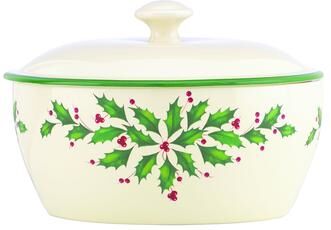
Lenox Hosting The Holidays Covered CasseroleThis Hosting the Holidays Casserole Dish is ideal for serving large dinner parties. Crafted of durable ivory porcelain, this spacious dish features a festive holly motif and comes with a matching lid.45,99 $*Shipping: 0,00 $Secure redirect to the provider
-
Lenox Hosting The Holidays Bread TrayWhether presenting an assortment of rolls or a buttery log of Texas toast, this festive ceramic Hosting the Holidays Bread Tray will not disappoint. The tray features a holly motif and is accented with 24-karat gold.44,49 $*Shipping: 0,00 $Secure redirect to the provider



-
What is a propene bonding ratio?
A propene bonding ratio refers to the ratio of carbon atoms to hydrogen atoms in a propene molecule. Propene, also known as propylene, has a chemical formula of C3H6, which means it contains three carbon atoms and six hydrogen atoms. The bonding ratio in propene is 1:2 for carbon to hydrogen atoms, reflecting the way the atoms are bonded together in the molecule. This ratio is important in understanding the structure and properties of propene and its role in various chemical reactions. **
-
Why is there no 2-propene?
There is no 2-propene because the carbon atoms in the propene molecule are arranged in a linear chain, with each carbon atom bonded to two other carbon atoms and one hydrogen atom. If a double bond were to form between the second and third carbon atoms in the chain, it would create a different molecule known as 1-butene. Therefore, the structure of propene does not allow for the existence of a 2-propene molecule. **
-
What substances does propene react with?
Propene can react with a variety of substances including halogens (such as chlorine or bromine) to undergo halogenation, forming dihalogenated products. It can also undergo addition reactions with hydrogen to form propane, or with water to form propanol. Additionally, propene can undergo polymerization reactions to form polypropylene. Overall, propene is a versatile compound that can react with a wide range of substances to form different products. **
-
What happens when chlorine is added to propene?
When chlorine is added to propene in the presence of sunlight or heat, a chemical reaction called chlorination occurs. This reaction results in the substitution of one or more hydrogen atoms in propene with chlorine atoms, forming a chlorinated derivative of propene. This process is known as chlorination of propene and can lead to the formation of different chlorinated products depending on the reaction conditions. **


What is the difference between propene and propane?
Propene is a colorless gas with a double bond between two carbon atoms, while propane is a colorless gas with three carbon atoms bonded in a straight chain. Propene is an alkene, meaning it has a carbon-carbon double bond, while propane is an alkane, meaning it has only single bonds between carbon atoms. Propene is used in the production of plastics, while propane is commonly used as a fuel for heating and cooking. **
What is the reaction mechanism of propene and bromine?
The reaction mechanism of propene and bromine involves an electrophilic addition reaction. The pi bond in propene acts as a nucleophile attacking the electrophilic bromine molecule. This results in the formation of a cyclic bromonium ion intermediate. The bromide ion then attacks the bromonium ion, leading to the formation of 1,2-dibromopropane. **
Top-Angebote
Products related to Propene:
-
Combo Retail Shop Indoor WiFi Security Camera With Audio, Cloud & SD Card Storage Indoor WiFi Security Camera With Audio, Cloud & SD Card StorageIndoor WiFi Security Camera with 2Way Audio, Cloud and SD Card Storage, AI Detection Ensure peace of mind with this Indoor WiFi Home Security Camera designed to provide advanced monitoring features for your home. Whether you want to keep an eye on...44,97 $*Shipping: 0,00 $Secure redirect to the provider
-
Elama Signature Divine Hosting 12 Inch 7 Piece Lazy Susan Appetizer and Condiment Server SetWow your guests with the beautiful and elegant serveware set from the Elama Signature Collection. Elegant serving bowls are constructed of stoneware that are microwave and dishwasher safe.44,99 $*Shipping: 0,00 $Secure redirect to the provider
-
Cloud Couch Modular Sectional Sofa with Ergonomic Support and StorageErgonomic Support with Convenient Storage: Designed for ultimate relaxation, the sofa's elevated backrest provides full-length support for your back and neck, banishing discomfort during long lounging sessions.563,49 $*Shipping: 0,00 $Secure redirect to the provider
-
Oliphant Cloud StorageThe Oliphant Cloud Storage is a cool and quirky way of storing an array of personal items. This space-saving organiser is not only a fun interiors item but it is also highly practical. Perfect for holding your phone, keys, receipts and coins, the product is designed to look like a cloud and features several sections of varying sizes, whilst the hidden compartment that's built into the base is ideal for storing important documents such as your passport or event tickets. Durable wood construction Hidden compartment ideal for important documents Incorporates different sized sections22,49 £*Shipping: 3,50 £Secure redirect to the provider
-
Are 1-propene and 2-propene constitutional isomers?
Yes, 1-propene and 2-propene are constitutional isomers. They have the same molecular formula (C3H6) but different connectivity of atoms. In 1-propene, the double bond is between the first and second carbon atoms, while in 2-propene, the double bond is between the second and third carbon atoms. This difference in connectivity results in different chemical and physical properties for the two isomers. **
-
Which substances does propene react with?
Propene can react with a variety of substances, including halogens like chlorine and bromine to undergo halogenation reactions. It can also undergo addition reactions with hydrogen to form propane. Additionally, propene can react with strong acids like sulfuric acid to form alkyl hydrogen sulfates. Furthermore, propene can participate in polymerization reactions to form polypropylene. **
-
What is a propene bonding ratio?
A propene bonding ratio refers to the ratio of carbon atoms to hydrogen atoms in a propene molecule. Propene, also known as propylene, has a chemical formula of C3H6, which means it contains three carbon atoms and six hydrogen atoms. The bonding ratio in propene is 1:2 for carbon to hydrogen atoms, reflecting the way the atoms are bonded together in the molecule. This ratio is important in understanding the structure and properties of propene and its role in various chemical reactions. **
-
Why is there no 2-propene?
There is no 2-propene because the carbon atoms in the propene molecule are arranged in a linear chain, with each carbon atom bonded to two other carbon atoms and one hydrogen atom. If a double bond were to form between the second and third carbon atoms in the chain, it would create a different molecule known as 1-butene. Therefore, the structure of propene does not allow for the existence of a 2-propene molecule. **
Similar search terms for Propene
-
Lenox Hosting The Holidays Covered CasseroleThis Hosting the Holidays Casserole Dish is ideal for serving large dinner parties. Crafted of durable ivory porcelain, this spacious dish features a festive holly motif and comes with a matching lid.45,99 $*Shipping: 0,00 $Secure redirect to the provider
-
Lenox Hosting The Holidays Bread TrayWhether presenting an assortment of rolls or a buttery log of Texas toast, this festive ceramic Hosting the Holidays Bread Tray will not disappoint. The tray features a holly motif and is accented with 24-karat gold.44,49 $*Shipping: 0,00 $Secure redirect to the provider
-
PRiME Smart Wireless WiFi Video Doorbell With Intercom & Security Camera HD Night Vision, Motion Detection, Free Cloud Storage doorbell OnlyEnhance Your Home Security with the Smart Wireless WiFi Video Doorbell Upgrade your home security with our Smart Wireless WiFi Video Doorbell, a compact yet powerful device designed to provide peace of mind and convenience. This advanced doorbell...89,97 $*Shipping: 0,00 $Secure redirect to the provider
-
Modern Modular Cloud Couch Sofa with Ergonomic Support and StorageErgonomic Support with Convenient Storage: Designed for ultimate relaxation, the sofa's elevated backrest provides full-length support for your back and neck, banishing discomfort during long lounging sessions.611,99 $*Shipping: 0,00 $Secure redirect to the provider
-
What substances does propene react with?
Propene can react with a variety of substances including halogens (such as chlorine or bromine) to undergo halogenation, forming dihalogenated products. It can also undergo addition reactions with hydrogen to form propane, or with water to form propanol. Additionally, propene can undergo polymerization reactions to form polypropylene. Overall, propene is a versatile compound that can react with a wide range of substances to form different products. **
-
What happens when chlorine is added to propene?
When chlorine is added to propene in the presence of sunlight or heat, a chemical reaction called chlorination occurs. This reaction results in the substitution of one or more hydrogen atoms in propene with chlorine atoms, forming a chlorinated derivative of propene. This process is known as chlorination of propene and can lead to the formation of different chlorinated products depending on the reaction conditions. **
-
What is the difference between propene and propane?
Propene is a colorless gas with a double bond between two carbon atoms, while propane is a colorless gas with three carbon atoms bonded in a straight chain. Propene is an alkene, meaning it has a carbon-carbon double bond, while propane is an alkane, meaning it has only single bonds between carbon atoms. Propene is used in the production of plastics, while propane is commonly used as a fuel for heating and cooking. **
-
What is the reaction mechanism of propene and bromine?
The reaction mechanism of propene and bromine involves an electrophilic addition reaction. The pi bond in propene acts as a nucleophile attacking the electrophilic bromine molecule. This results in the formation of a cyclic bromonium ion intermediate. The bromide ion then attacks the bromonium ion, leading to the formation of 1,2-dibromopropane. **
* All prices are inclusive of VAT and, if applicable, plus shipping costs. The offer information is based on the details provided by the respective shop and is updated through automated processes. Real-time updates do not occur, so deviations can occur in individual cases. ** Note: Parts of this content were created by AI.