Buy besthosting.eu ?
We are moving the project
besthosting.eu .
Are you interested in purchasing the domain
besthosting.eu ?
domain@kv-gmbh.de · 0541-91531010
Buy besthosting.eu ?
Are halogens reducing agents?
No, halogens are not reducing agents. In chemical reactions, reducing agents are substances that donate electrons to other reactants, causing them to be reduced. Halogens, on the other hand, are highly electronegative elements that tend to gain electrons rather than lose them, making them more likely to act as oxidizing agents. **
Are all halogens toxic?
Yes, all halogens are toxic to some extent. Halogens such as fluorine, chlorine, bromine, and iodine can be harmful if ingested, inhaled, or absorbed through the skin in large amounts. They can cause irritation, burns, and even more serious health effects depending on the level of exposure. It is important to handle halogens with caution and follow proper safety protocols when working with them. **


Similar search terms for Halogens
Top-Angebote
Products related to Halogens:
-
Elama Signature Divine Hosting 12 Inch 7 Piece Lazy Susan Appetizer and Condiment Server SetWow your guests with the beautiful and elegant serveware set from the Elama Signature Collection. Elegant serving bowls are constructed of stoneware that are microwave and dishwasher safe.44,99 $*Shipping: 0,00 $Secure redirect to the provider
-
Cloud Couch Modular Sectional Sofa with Ergonomic Support and StorageErgonomic Support with Convenient Storage: Designed for ultimate relaxation, the sofa's elevated backrest provides full-length support for your back and neck, banishing discomfort during long lounging sessions.563,49 $*Shipping: 0,00 $Secure redirect to the provider
-
Oliphant Cloud StorageThe Oliphant Cloud Storage is a cool and quirky way of storing an array of personal items. This space-saving organiser is not only a fun interiors item but it is also highly practical. Perfect for holding your phone, keys, receipts and coins, the product is designed to look like a cloud and features several sections of varying sizes, whilst the hidden compartment that's built into the base is ideal for storing important documents such as your passport or event tickets. Durable wood construction Hidden compartment ideal for important documents Incorporates different sized sections22,49 £*Shipping: 3,50 £Secure redirect to the provider
-
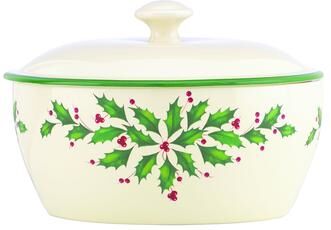
Lenox Hosting The Holidays Covered CasseroleThis Hosting the Holidays Casserole Dish is ideal for serving large dinner parties. Crafted of durable ivory porcelain, this spacious dish features a festive holly motif and comes with a matching lid.45,99 $*Shipping: 0,00 $Secure redirect to the provider



-
Why are halogens so reactive?
Halogens are so reactive because they have seven electrons in their outermost energy level, making them only one electron short of achieving a stable octet configuration. This makes them highly reactive as they tend to gain an electron to achieve a stable electron configuration. Halogens readily react with other elements to gain that missing electron, forming stable compounds. This reactivity is what makes halogens useful in a variety of chemical reactions and applications. **
-
What does the term halogens mean?
The term halogens refers to a group of chemical elements that belong to Group 17 of the periodic table. These elements include fluorine, chlorine, bromine, iodine, and astatine. Halogens are highly reactive nonmetals that have seven electrons in their outermost energy level, making them likely to form compounds by gaining one electron to achieve a full outer shell. They are known for their distinctive color, odor, and ability to react with metals to form salts. **
-
Which halogens are found in algae?
Halogens found in algae include chlorine, bromine, and iodine. These halogens play important roles in the metabolism and growth of algae. Chlorine is involved in photosynthesis, bromine is essential for the production of certain compounds, and iodine is important for the regulation of growth and development in algae. **
-
Which halogens are present in algae?
Algae can contain various halogens, including chlorine, bromine, and iodine. These halogens are essential for the growth and development of algae, as they are involved in various physiological processes such as osmoregulation, antioxidant defense, and the production of bioactive compounds. Additionally, the presence of halogens in algae can also have ecological implications, as they can influence the interactions between algae and other organisms in their environment. **


What is the room temperature of halogens?
The room temperature of halogens varies depending on the specific element. For example, fluorine is a gas at room temperature, chlorine is a gas, bromine is a liquid, and iodine is a solid. Overall, halogens tend to have low melting and boiling points compared to other elements, which is why they are typically found in gas or liquid form at room temperature. **
What is the boiling point of the halogens?
The boiling points of the halogens increase as you move down the group in the periodic table. Fluorine, the lightest halogen, has a boiling point of -188.1°C, while chlorine has a boiling point of -34.04°C. Bromine, the third halogen, has a boiling point of 58.8°C, and iodine, the heaviest halogen, has a boiling point of 184.3°C. Astatine, the rarest halogen, has a boiling point of 337°C. **
Top-Angebote
Products related to Halogens:
-
Elama Signature Divine Hosting 5 Piece Bamboo Block Appetizer and Condiment Server SetWow your guests with the beautiful and elegant serveware set from the Elama Signature Collection. Elegant serving cups are constructed of stoneware that are dishwasher and microwave safe.47,99 $*Shipping: 0,00 $Secure redirect to the provider
-
Combo Retail Shop Indoor WiFi Security Camera With Audio, Cloud & SD Card Storage Indoor WiFi Security Camera With Audio, Cloud & SD Card StorageIndoor WiFi Security Camera with 2Way Audio, Cloud and SD Card Storage, AI Detection Ensure peace of mind with this Indoor WiFi Home Security Camera designed to provide advanced monitoring features for your home. Whether you want to keep an eye on...44,97 $*Shipping: 0,00 $Secure redirect to the provider
-
Elama Signature Divine Hosting 12 Inch 7 Piece Lazy Susan Appetizer and Condiment Server SetWow your guests with the beautiful and elegant serveware set from the Elama Signature Collection. Elegant serving bowls are constructed of stoneware that are microwave and dishwasher safe.44,99 $*Shipping: 0,00 $Secure redirect to the provider
-
Cloud Couch Modular Sectional Sofa with Ergonomic Support and StorageErgonomic Support with Convenient Storage: Designed for ultimate relaxation, the sofa's elevated backrest provides full-length support for your back and neck, banishing discomfort during long lounging sessions.563,49 $*Shipping: 0,00 $Secure redirect to the provider
-
Are halogens reducing agents?
No, halogens are not reducing agents. In chemical reactions, reducing agents are substances that donate electrons to other reactants, causing them to be reduced. Halogens, on the other hand, are highly electronegative elements that tend to gain electrons rather than lose them, making them more likely to act as oxidizing agents. **
-
Are all halogens toxic?
Yes, all halogens are toxic to some extent. Halogens such as fluorine, chlorine, bromine, and iodine can be harmful if ingested, inhaled, or absorbed through the skin in large amounts. They can cause irritation, burns, and even more serious health effects depending on the level of exposure. It is important to handle halogens with caution and follow proper safety protocols when working with them. **
-
Why are halogens so reactive?
Halogens are so reactive because they have seven electrons in their outermost energy level, making them only one electron short of achieving a stable octet configuration. This makes them highly reactive as they tend to gain an electron to achieve a stable electron configuration. Halogens readily react with other elements to gain that missing electron, forming stable compounds. This reactivity is what makes halogens useful in a variety of chemical reactions and applications. **
-
What does the term halogens mean?
The term halogens refers to a group of chemical elements that belong to Group 17 of the periodic table. These elements include fluorine, chlorine, bromine, iodine, and astatine. Halogens are highly reactive nonmetals that have seven electrons in their outermost energy level, making them likely to form compounds by gaining one electron to achieve a full outer shell. They are known for their distinctive color, odor, and ability to react with metals to form salts. **
Similar search terms for Halogens
-
Oliphant Cloud StorageThe Oliphant Cloud Storage is a cool and quirky way of storing an array of personal items. This space-saving organiser is not only a fun interiors item but it is also highly practical. Perfect for holding your phone, keys, receipts and coins, the product is designed to look like a cloud and features several sections of varying sizes, whilst the hidden compartment that's built into the base is ideal for storing important documents such as your passport or event tickets. Durable wood construction Hidden compartment ideal for important documents Incorporates different sized sections22,49 £*Shipping: 3,50 £Secure redirect to the provider
-
Lenox Hosting The Holidays Covered CasseroleThis Hosting the Holidays Casserole Dish is ideal for serving large dinner parties. Crafted of durable ivory porcelain, this spacious dish features a festive holly motif and comes with a matching lid.45,99 $*Shipping: 0,00 $Secure redirect to the provider
-
Lenox Hosting The Holidays Bread TrayWhether presenting an assortment of rolls or a buttery log of Texas toast, this festive ceramic Hosting the Holidays Bread Tray will not disappoint. The tray features a holly motif and is accented with 24-karat gold.44,49 $*Shipping: 0,00 $Secure redirect to the provider
-
Stellar Stoneware Bantham Hosting For 4 SetIntroduce calm, contemporary style to your table with the Stellar Stoneware Bantham collection. Defined by smooth, modern contours and a soft green reactive glaze, each piece brings a fresh, artisan-inspired feel to everyday dining. Crafted from durable stoneware and fired for exceptional strength, the range offers excellent resistance to chipping and everyday wear. The naturally smooth glazed finish resists staining, cleans with ease, and provides a reassuringly balanced feel in hand. Its thick stoneware construction also enhances heat retention, helping dishes stay warmer for longer. Designed for modern living, every piece is microwave, dishwasher, and oven safe (up to 180°C), making the collection as practical as it is elegant—ideal for both daily use and relaxed entertaining. Set includes: 4 dinner plates, 4 side plates, 4x pasta bowls, 4 cereal bowls, 1x medium platter, 1x large platter and 1x serving bowl.199,95 £*Shipping: 0,00 £Secure redirect to the provider
-
Which halogens are found in algae?
Halogens found in algae include chlorine, bromine, and iodine. These halogens play important roles in the metabolism and growth of algae. Chlorine is involved in photosynthesis, bromine is essential for the production of certain compounds, and iodine is important for the regulation of growth and development in algae. **
-
Which halogens are present in algae?
Algae can contain various halogens, including chlorine, bromine, and iodine. These halogens are essential for the growth and development of algae, as they are involved in various physiological processes such as osmoregulation, antioxidant defense, and the production of bioactive compounds. Additionally, the presence of halogens in algae can also have ecological implications, as they can influence the interactions between algae and other organisms in their environment. **
-
What is the room temperature of halogens?
The room temperature of halogens varies depending on the specific element. For example, fluorine is a gas at room temperature, chlorine is a gas, bromine is a liquid, and iodine is a solid. Overall, halogens tend to have low melting and boiling points compared to other elements, which is why they are typically found in gas or liquid form at room temperature. **
-
What is the boiling point of the halogens?
The boiling points of the halogens increase as you move down the group in the periodic table. Fluorine, the lightest halogen, has a boiling point of -188.1°C, while chlorine has a boiling point of -34.04°C. Bromine, the third halogen, has a boiling point of 58.8°C, and iodine, the heaviest halogen, has a boiling point of 184.3°C. Astatine, the rarest halogen, has a boiling point of 337°C. **
* All prices are inclusive of VAT and, if applicable, plus shipping costs. The offer information is based on the details provided by the respective shop and is updated through automated processes. Real-time updates do not occur, so deviations can occur in individual cases. ** Note: Parts of this content were created by AI.