Buy besthosting.eu ?
We are moving the project
besthosting.eu .
Are you interested in purchasing the domain
besthosting.eu ?
domain@kv-gmbh.de · 0541-91531010
Buy besthosting.eu ?
Which cells have chloroplasts?
Chloroplasts are found in plant cells and some algae cells. **
How are chloroplasts structured?
Chloroplasts are double-membrane organelles found in plant cells that contain their own DNA and ribosomes. They have a fluid-filled interior called the stroma, where the process of photosynthesis takes place. Within the stroma are stacks of thylakoid membranes called grana, which contain chlorophyll and other pigments that capture light energy. The thylakoid membranes are where the light-dependent reactions of photosynthesis occur, producing ATP and NADPH. Overall, the structure of chloroplasts is highly specialized for the process of photosynthesis, allowing plants to convert light energy into chemical energy. **


Similar search terms for Chloroplasts
Top-Angebote
Products related to Chloroplasts:
-
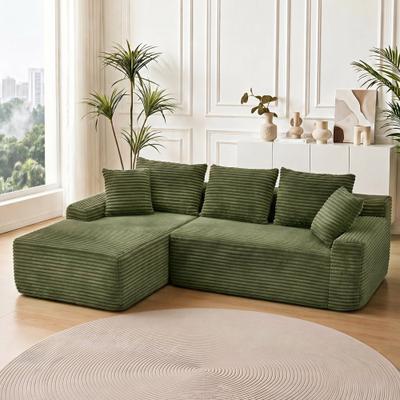
Modern Cloud Couch Modular Sectional Sofa with Ergonomic Support and StorageErgonomic Support with Convenient Storage: Designed for ultimate relaxation, the sofa's elevated backrest provides full-length support for your back and neck, banishing discomfort during long lounging sessions.563,49 $*Shipping: 0,00 $Secure redirect to the provider
-
Oliphant Cloud StorageThe Oliphant Cloud Storage is a cool and quirky way of storing an array of personal items. This space-saving organiser is not only a fun interiors item but it is also highly practical. Perfect for holding your phone, keys, receipts and coins, the product is designed to look like a cloud and features several sections of varying sizes, whilst the hidden compartment that's built into the base is ideal for storing important documents such as your passport or event tickets. Durable wood construction Hidden compartment ideal for important documents Incorporates different sized sections22,49 £*Shipping: 3,50 £Secure redirect to the provider
-
Lenox Hosting The Holidays Covered CasseroleThis Hosting the Holidays Casserole Dish is ideal for serving large dinner parties. Crafted of durable ivory porcelain, this spacious dish features a festive holly motif and comes with a matching lid.45,99 $*Shipping: 0,00 $Secure redirect to the provider
-
Lenox Hosting The Holidays Bread TrayWhether presenting an assortment of rolls or a buttery log of Texas toast, this festive ceramic Hosting the Holidays Bread Tray will not disappoint. The tray features a holly motif and is accented with 24-karat gold.44,49 $*Shipping: 0,00 $Secure redirect to the provider



-
What are mitochondria and chloroplasts?
Mitochondria are membrane-bound organelles found in the cells of eukaryotic organisms, responsible for producing energy in the form of ATP through cellular respiration. They have their own DNA and are thought to have originated from ancient bacteria through endosymbiosis. Chloroplasts are also membrane-bound organelles found in plant cells and some protists, responsible for photosynthesis, the process by which they convert sunlight into energy-rich molecules like glucose. Like mitochondria, chloroplasts also have their own DNA and are believed to have originated from ancient photosynthetic bacteria through endosymbiosis. **
-
Can humans also have chloroplasts?
No, humans cannot have chloroplasts. Chloroplasts are organelles found in plant cells that are responsible for photosynthesis, the process by which plants convert sunlight into energy. Humans do not have chloroplasts because they do not undergo photosynthesis. Instead, humans rely on the consumption of plants and other organisms to obtain the energy they need for survival. **
-
How are chloroplasts and plastids formed?
Chloroplasts and plastids are formed through a process called biogenesis, which involves the replication of existing organelles. They are believed to have originated from endosymbiotic cyanobacteria that were engulfed by a eukaryotic cell. Over time, these cyanobacteria evolved into chloroplasts and plastids, developing a symbiotic relationship with the host cell. This process allowed for the transfer of genetic material between the organelles and the host cell, leading to the formation of chloroplasts and plastids as we know them today. **
-
What are the functions of chloroplasts?
Chloroplasts are the organelles responsible for photosynthesis in plant cells. Their main function is to capture light energy and convert it into chemical energy in the form of glucose, which serves as the primary source of energy for the plant. Chloroplasts also contain chlorophyll, the green pigment that gives plants their color and is essential for the absorption of light during photosynthesis. Additionally, chloroplasts are involved in the synthesis of other important molecules, such as amino acids and lipids, and play a role in the regulation of cellular metabolism. **

Why do chloroplasts have a double membrane?
Chloroplasts have a double membrane because they are believed to have originated from a process called endosymbiosis, where a eukaryotic cell engulfed a photosynthetic prokaryote. The double membrane likely represents the original prokaryotic cell's plasma membrane and the membrane of the vesicle that engulfed it. This double membrane structure helps protect the chloroplast's internal structures and allows for compartmentalization of different metabolic processes within the organelle. **
In which leaf cells are chloroplasts located?
Chloroplasts are located in the mesophyll cells of the leaf. Mesophyll cells are the main site of photosynthesis in the leaf, and they contain numerous chloroplasts, which are responsible for capturing light energy and converting it into chemical energy through the process of photosynthesis. The chloroplasts contain the pigment chlorophyll, which gives leaves their green color and is essential for the absorption of light energy. **
Top-Angebote
Products related to Chloroplasts:
-
Elama Signature Divine Hosting 5 Piece Bamboo Block Appetizer and Condiment Server SetWow your guests with the beautiful and elegant serveware set from the Elama Signature Collection. Elegant serving cups are constructed of stoneware that are dishwasher and microwave safe.47,99 $*Shipping: 0,00 $Secure redirect to the provider
-
Elama Signature Divine Hosting 12 Inch 7 Piece Lazy Susan Appetizer and Condiment Server SetWow your guests with the beautiful and elegant serveware set from the Elama Signature Collection. Elegant serving bowls are constructed of stoneware that are microwave and dishwasher safe.44,99 $*Shipping: 0,00 $Secure redirect to the provider
-
Modern Cloud Couch Modular Sectional Sofa with Ergonomic Support and StorageErgonomic Support with Convenient Storage: Designed for ultimate relaxation, the sofa's elevated backrest provides full-length support for your back and neck, banishing discomfort during long lounging sessions.563,49 $*Shipping: 0,00 $Secure redirect to the provider
-
Oliphant Cloud StorageThe Oliphant Cloud Storage is a cool and quirky way of storing an array of personal items. This space-saving organiser is not only a fun interiors item but it is also highly practical. Perfect for holding your phone, keys, receipts and coins, the product is designed to look like a cloud and features several sections of varying sizes, whilst the hidden compartment that's built into the base is ideal for storing important documents such as your passport or event tickets. Durable wood construction Hidden compartment ideal for important documents Incorporates different sized sections22,49 £*Shipping: 3,50 £Secure redirect to the provider
-
Which cells have chloroplasts?
Chloroplasts are found in plant cells and some algae cells. **
-
How are chloroplasts structured?
Chloroplasts are double-membrane organelles found in plant cells that contain their own DNA and ribosomes. They have a fluid-filled interior called the stroma, where the process of photosynthesis takes place. Within the stroma are stacks of thylakoid membranes called grana, which contain chlorophyll and other pigments that capture light energy. The thylakoid membranes are where the light-dependent reactions of photosynthesis occur, producing ATP and NADPH. Overall, the structure of chloroplasts is highly specialized for the process of photosynthesis, allowing plants to convert light energy into chemical energy. **
-
What are mitochondria and chloroplasts?
Mitochondria are membrane-bound organelles found in the cells of eukaryotic organisms, responsible for producing energy in the form of ATP through cellular respiration. They have their own DNA and are thought to have originated from ancient bacteria through endosymbiosis. Chloroplasts are also membrane-bound organelles found in plant cells and some protists, responsible for photosynthesis, the process by which they convert sunlight into energy-rich molecules like glucose. Like mitochondria, chloroplasts also have their own DNA and are believed to have originated from ancient photosynthetic bacteria through endosymbiosis. **
-
Can humans also have chloroplasts?
No, humans cannot have chloroplasts. Chloroplasts are organelles found in plant cells that are responsible for photosynthesis, the process by which plants convert sunlight into energy. Humans do not have chloroplasts because they do not undergo photosynthesis. Instead, humans rely on the consumption of plants and other organisms to obtain the energy they need for survival. **
Similar search terms for Chloroplasts
-
Lenox Hosting The Holidays Covered CasseroleThis Hosting the Holidays Casserole Dish is ideal for serving large dinner parties. Crafted of durable ivory porcelain, this spacious dish features a festive holly motif and comes with a matching lid.45,99 $*Shipping: 0,00 $Secure redirect to the provider
-
Lenox Hosting The Holidays Bread TrayWhether presenting an assortment of rolls or a buttery log of Texas toast, this festive ceramic Hosting the Holidays Bread Tray will not disappoint. The tray features a holly motif and is accented with 24-karat gold.44,49 $*Shipping: 0,00 $Secure redirect to the provider
-
Website X5 Evolution 13 Lifetime key GLOBALWebsite X5 Evolution 13 is a website builder software that allows users to create and publish websites without any coding knowledge. It is a versatile tool that can be used to create a wide range of websites, from simple blogs to complex e-commerce stores. Here are some of the key features of Website X5 Evolution 13: Drag-and-drop editor: Website X5 Evolution 13 uses a drag-and-drop editor to make it easy to add and arrange content on your website. Simply drag and drop the elements you want onto the page, and then customize them to your liking. 140+ templates: Website X5 Evolution 13 comes with a wide range of templates to choose from, so you can get started quickly and easily. The templates are fully customizable, so you can create a website that looks unique and professional. Full graphic customization: Website X5 Evolution 13 gives you complete control over the look and feel of your website. You can customize everything from the fonts and colors to the layout and design. Hosting and automatic domain: Website X5 Evolution 13 includes hosting and a free domain name, so you can publish your website right away. There are no hidden fees or commissions. Unlimited projects and pages: Website X5 Evolution 13 allows you to create as many projects and pages as you need, so you can build a website of any size or complexity. Page 404 and hidden pages: Website X5 Evolution 13 allows you to create a custom 404 page and hide pages from public view. Font management for SEO optimization: Website X5 Evolution 13 allows you to manage your website's fonts for SEO optimization. Insights with responsive site options: Website X5 Evolution 13 provides insights into your website's performance and allows you to create responsive websites that look good on all devices. Online control panel: Website X5 Evolution 13 comes with an online control panel where you can manage your website's settings, files, and hosting. In addition to these key features, Website X5 Evolution 13 also includes a number of other features to help you create a professional and user-friendly website, such as: Image optimization: Website X5 Evolution 13 can automatically optimize your images for web, which can improve your website's loading speed and SEO performance. Social media integration: Website X5 Evolution 13 makes it easy to integrate social media features into your website, such as social media buttons and feeds. E-commerce features: Website X5 Evolution 13 includes a number of e-commerce features, such as product management, payment processing, and shipping integration. SEO tools: Website X5 Evolution 13 includes a number of SEO tools to help you optimize your website for search engines. Overall, Website X5 Evolution 13 is a powerful and versatile website builder that is suitable for users of all skill levels. It offers a wide range of features and tools to help you create a professional and user-friendly website.29,36 £*Shipping: 0,00 £Secure redirect to the provider
-
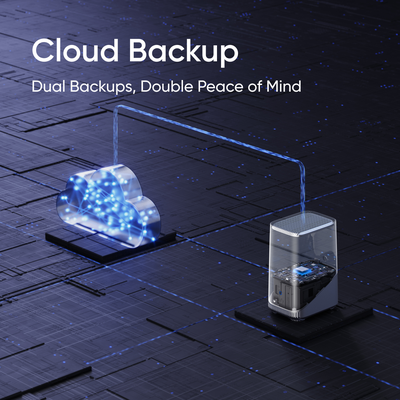
eufy Security Cloud Backup Plus Monthly Service (All device) 10 deviceDual Backup, Double Peace of Mind. Subscribe to the eufy Security Cloud Backup service if you need extra space to store event videos. Stores videos for 30 days, giving you sufficient time to review recorded videos. Videos accessible, even if devices...12,60 $*Shipping: 0,00 $Secure redirect to the provider
-
How are chloroplasts and plastids formed?
Chloroplasts and plastids are formed through a process called biogenesis, which involves the replication of existing organelles. They are believed to have originated from endosymbiotic cyanobacteria that were engulfed by a eukaryotic cell. Over time, these cyanobacteria evolved into chloroplasts and plastids, developing a symbiotic relationship with the host cell. This process allowed for the transfer of genetic material between the organelles and the host cell, leading to the formation of chloroplasts and plastids as we know them today. **
-
What are the functions of chloroplasts?
Chloroplasts are the organelles responsible for photosynthesis in plant cells. Their main function is to capture light energy and convert it into chemical energy in the form of glucose, which serves as the primary source of energy for the plant. Chloroplasts also contain chlorophyll, the green pigment that gives plants their color and is essential for the absorption of light during photosynthesis. Additionally, chloroplasts are involved in the synthesis of other important molecules, such as amino acids and lipids, and play a role in the regulation of cellular metabolism. **
-
Why do chloroplasts have a double membrane?
Chloroplasts have a double membrane because they are believed to have originated from a process called endosymbiosis, where a eukaryotic cell engulfed a photosynthetic prokaryote. The double membrane likely represents the original prokaryotic cell's plasma membrane and the membrane of the vesicle that engulfed it. This double membrane structure helps protect the chloroplast's internal structures and allows for compartmentalization of different metabolic processes within the organelle. **
-
In which leaf cells are chloroplasts located?
Chloroplasts are located in the mesophyll cells of the leaf. Mesophyll cells are the main site of photosynthesis in the leaf, and they contain numerous chloroplasts, which are responsible for capturing light energy and converting it into chemical energy through the process of photosynthesis. The chloroplasts contain the pigment chlorophyll, which gives leaves their green color and is essential for the absorption of light energy. **
* All prices are inclusive of VAT and, if applicable, plus shipping costs. The offer information is based on the details provided by the respective shop and is updated through automated processes. Real-time updates do not occur, so deviations can occur in individual cases. ** Note: Parts of this content were created by AI.