Buy besthosting.eu ?
We are moving the project
besthosting.eu .
Are you interested in purchasing the domain
besthosting.eu ?
domain@kv-gmbh.de · 0541-91531010
Buy besthosting.eu ?
What is a rack server?
A rack server is a type of server that is designed to be mounted in a standard equipment rack. These servers are typically slim and rectangular in shape, allowing them to be easily stacked in a rack alongside other servers, networking equipment, and storage devices. Rack servers are commonly used in data centers and enterprise environments where space efficiency and centralized management are important. They are also known for their scalability, as multiple rack servers can be easily added or removed from a rack as needed. **
How to assemble a server rack?
To assemble a server rack, start by laying out all the parts and tools needed for assembly. Next, attach the vertical rails to the frame using the provided screws and ensure they are securely in place. Then, slide the server components into the rack, making sure they are properly aligned and supported. Finally, secure the components in place using the appropriate screws or fasteners and organize the cables neatly to ensure proper airflow and accessibility. **


Similar search terms for DENCKERMANN-D900157-Steering-rack
Top-Angebote
Products related to DENCKERMANN-D900157-Steering-rack:
-
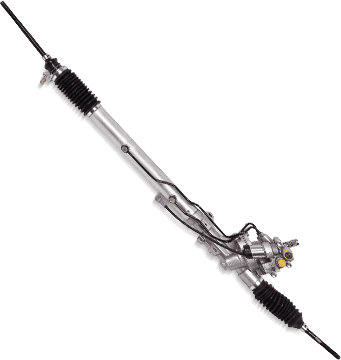
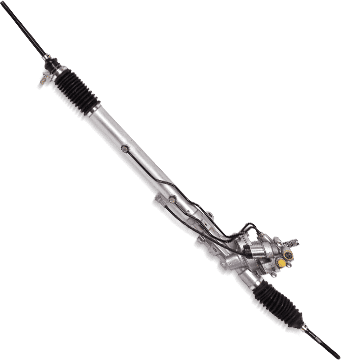
GSP SR900761 Steering rackOperating Mode: hydraulic; Left-/right-hand drive vehicles: for left-hand drive vehicles; Steering: with tie rod, without tie rod ends; for steering gear manufacturer: ZF; Entry Thread Size: M14×1,5; Exit Thread Size: M16×1,5; Length [mm]: 1152; Stroke [mm]: 164; Number of steering wheel turns: 3,4; Number of Teeth on input shaft: 54; Input Shaft Diameter [mm]: 17,5; Thread Size 1: M14X1,5; Vehicle Equipment: for vehicles without servotronic steering487,99 £*Shipping: 1,99 £Secure redirect to the provider


-
How do you assemble a server rack?
To assemble a server rack, start by laying out all the components and ensuring you have all the necessary hardware. Next, attach the vertical rails to the frame of the rack using the provided screws and a screwdriver. Then, install any shelves or other accessories according to the manufacturer's instructions. Finally, carefully place the servers and other equipment into the rack, ensuring they are securely mounted and properly connected to power and networking. Double-check all connections and make sure the rack is stable before putting it into use. **
-
How much does a server rack weigh?
A standard server rack typically weighs between 150 to 300 pounds when empty. However, the weight can vary depending on the size and design of the rack, as well as any additional equipment or servers installed within it. It's important to consider the weight capacity of the floor and any transportation equipment when moving or installing a server rack. **
-
At what weight is a storage rack recommended and at what weight is a heavy-duty rack required?
A storage rack is typically recommended for lighter loads, usually up to 500 pounds per shelf. These racks are suitable for storing items such as office supplies, light tools, and small boxes. On the other hand, a heavy-duty rack is required for heavier loads, usually starting at 1000 pounds per shelf. These racks are designed to store heavier items such as large tools, heavy equipment, and bulkier materials. It is important to choose the appropriate rack based on the weight and type of items being stored to ensure safety and durability. **
-
What is the power consumption of a server rack?
The power consumption of a server rack can vary depending on the number and type of servers it contains, as well as the specific workload and applications running on those servers. On average, a fully loaded server rack can consume anywhere from 5 to 20 kilowatts of power. However, this number can be higher for high-performance computing or data-intensive applications. It's important for data center operators to carefully manage and monitor the power consumption of server racks to ensure efficient operation and minimize energy costs. **

How does the material storage rack run along the fence?
The material storage rack runs along the fence by being securely attached to it using brackets or hooks. The rack is typically designed with arms or shelves that extend outward from the fence, providing a space-saving solution for storing items such as lumber, pipes, or other long materials. By running along the fence, the rack maximizes storage capacity while keeping the items organized and easily accessible. **
How can one combine steering with speed?
One can combine steering with speed by maintaining control of the steering wheel while gradually increasing speed. It is important to anticipate turns and adjust the steering accordingly to maintain control of the vehicle at higher speeds. Additionally, practicing good driving habits such as keeping a safe following distance and being aware of road conditions can help in combining steering with speed effectively. It is crucial to always prioritize safety and be mindful of the speed limits to ensure a smooth and controlled driving experience. **
Top-Angebote
Products related to DENCKERMANN-D900157-Steering-rack:
-
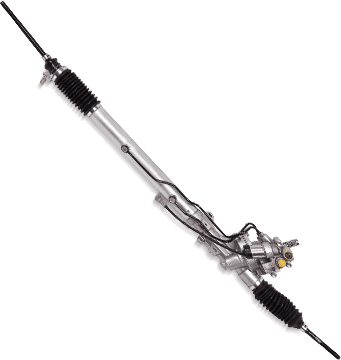
GSP SR900761 Steering rackOperating Mode: hydraulic; Left-/right-hand drive vehicles: for left-hand drive vehicles; Steering: with tie rod, without tie rod ends; for steering gear manufacturer: ZF; Entry Thread Size: M14×1,5; Exit Thread Size: M16×1,5; Length [mm]: 1152; Stroke [mm]: 164; Number of steering wheel turns: 3,4; Number of Teeth on input shaft: 54; Input Shaft Diameter [mm]: 17,5; Thread Size 1: M14X1,5; Vehicle Equipment: for vehicles without servotronic steering487,99 £*Shipping: 1,99 £Secure redirect to the provider
-
What is a rack server?
A rack server is a type of server that is designed to be mounted in a standard equipment rack. These servers are typically slim and rectangular in shape, allowing them to be easily stacked in a rack alongside other servers, networking equipment, and storage devices. Rack servers are commonly used in data centers and enterprise environments where space efficiency and centralized management are important. They are also known for their scalability, as multiple rack servers can be easily added or removed from a rack as needed. **
-
How to assemble a server rack?
To assemble a server rack, start by laying out all the parts and tools needed for assembly. Next, attach the vertical rails to the frame using the provided screws and ensure they are securely in place. Then, slide the server components into the rack, making sure they are properly aligned and supported. Finally, secure the components in place using the appropriate screws or fasteners and organize the cables neatly to ensure proper airflow and accessibility. **
-
How do you assemble a server rack?
To assemble a server rack, start by laying out all the components and ensuring you have all the necessary hardware. Next, attach the vertical rails to the frame of the rack using the provided screws and a screwdriver. Then, install any shelves or other accessories according to the manufacturer's instructions. Finally, carefully place the servers and other equipment into the rack, ensuring they are securely mounted and properly connected to power and networking. Double-check all connections and make sure the rack is stable before putting it into use. **
-
How much does a server rack weigh?
A standard server rack typically weighs between 150 to 300 pounds when empty. However, the weight can vary depending on the size and design of the rack, as well as any additional equipment or servers installed within it. It's important to consider the weight capacity of the floor and any transportation equipment when moving or installing a server rack. **
Similar search terms for DENCKERMANN-D900157-Steering-rack
-
At what weight is a storage rack recommended and at what weight is a heavy-duty rack required?
A storage rack is typically recommended for lighter loads, usually up to 500 pounds per shelf. These racks are suitable for storing items such as office supplies, light tools, and small boxes. On the other hand, a heavy-duty rack is required for heavier loads, usually starting at 1000 pounds per shelf. These racks are designed to store heavier items such as large tools, heavy equipment, and bulkier materials. It is important to choose the appropriate rack based on the weight and type of items being stored to ensure safety and durability. **
-
What is the power consumption of a server rack?
The power consumption of a server rack can vary depending on the number and type of servers it contains, as well as the specific workload and applications running on those servers. On average, a fully loaded server rack can consume anywhere from 5 to 20 kilowatts of power. However, this number can be higher for high-performance computing or data-intensive applications. It's important for data center operators to carefully manage and monitor the power consumption of server racks to ensure efficient operation and minimize energy costs. **
-
How does the material storage rack run along the fence?
The material storage rack runs along the fence by being securely attached to it using brackets or hooks. The rack is typically designed with arms or shelves that extend outward from the fence, providing a space-saving solution for storing items such as lumber, pipes, or other long materials. By running along the fence, the rack maximizes storage capacity while keeping the items organized and easily accessible. **
-
How can one combine steering with speed?
One can combine steering with speed by maintaining control of the steering wheel while gradually increasing speed. It is important to anticipate turns and adjust the steering accordingly to maintain control of the vehicle at higher speeds. Additionally, practicing good driving habits such as keeping a safe following distance and being aware of road conditions can help in combining steering with speed effectively. It is crucial to always prioritize safety and be mindful of the speed limits to ensure a smooth and controlled driving experience. **
* All prices are inclusive of VAT and, if applicable, plus shipping costs. The offer information is based on the details provided by the respective shop and is updated through automated processes. Real-time updates do not occur, so deviations can occur in individual cases. ** Note: Parts of this content were created by AI.